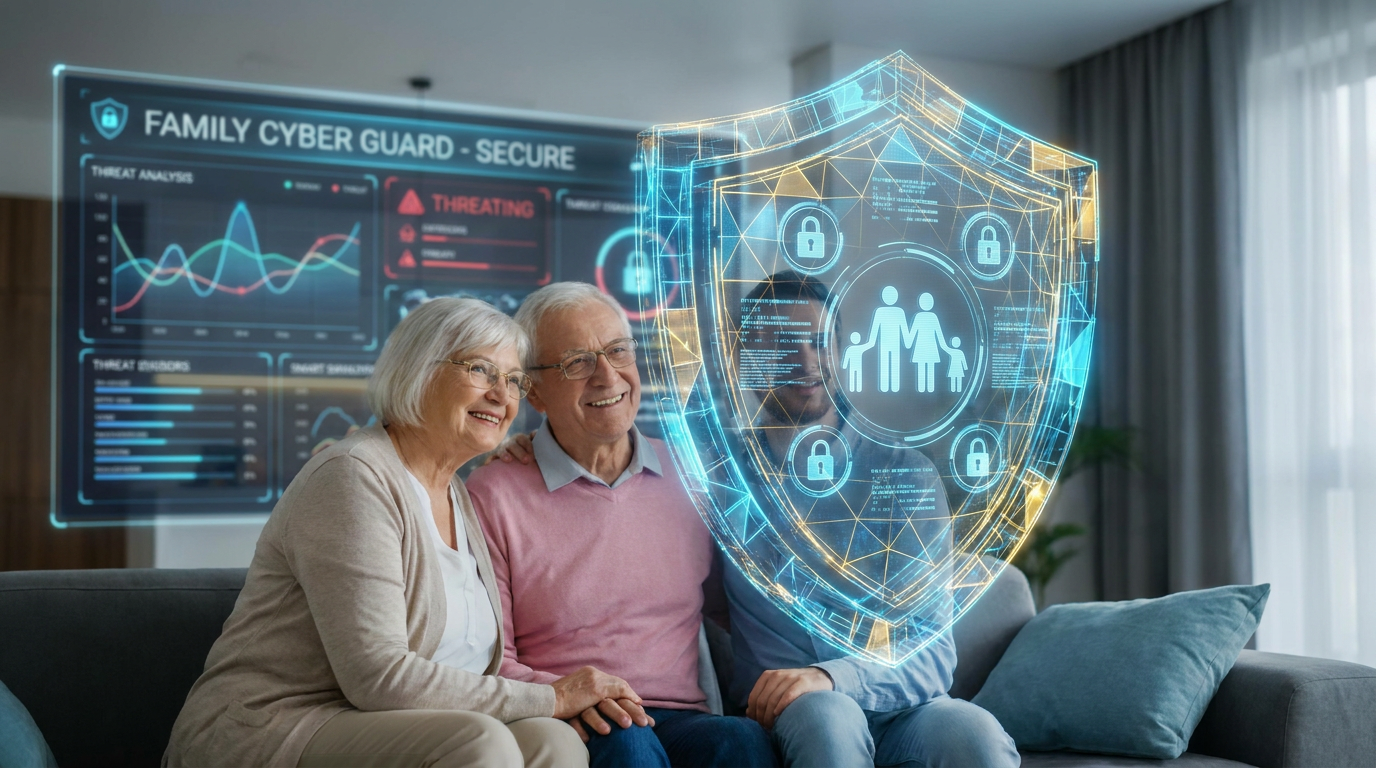
As artificial intelligence tools become widespread in 2026, protecting vulnerable seniors and families from sophisticated financial scams, voice cloning, and identity theft requires a multi-layered, zero-retention security framework.
The 2026 AI Threat Landscape
Modern cybercriminals no longer rely on simple email phishing. Today’s tactics involve real-time audio synthesis and automated social engineering designed to bypass traditional security controls.
- Voice Clone Hijacking: Using under 3 seconds of sample audio to emulate loved ones in distress.
- Synthetic SSN Fabrication: Piecing together dormant credit profiles to create untraceable line-of-credit defaults.
- Acoustic Room Intercepts: Targeting smart home devices to gather sensitive financial schedules.
Zero-Retention & Dual-Control Defense Protocols
To neutralize these attack vectors, financial and safety assessments must operate under strict zero-retention principles. No sensitive calculations touch permanent storage, ensuring complete privacy upon session termination.
- Offline Family Passphrases: Establish a verbal verification code known only to trusted family members.
- Dual-Control Verification (Maker-Checker): Route all non-standard financial transactions to a secondary family dashboard for mandatory approval.
- Transient Memory Audits: Run calculations exclusively in volatile memory buffers.
“Combining human vigilance with zero-retention biometric safeguards provides an impenetrable barrier against modern digital scamming.”
Leave a Reply